

What is Ethical Hacking? Ethical hacking, or “white-hat” hacking, involves authorized professionals using malicious techniques to intentionally probe systems, networks, and applications for security vulnerabilities. By simulating real-world attacks with permission, these experts identify weaknesses to fix them before malicious hackers can exploit them, improving an organization’s overall security posture.
Ethical hacking is a crucial discipline in contemporary cybersecurity. As global cyber threats escalate, enterprises depend on ethical hackers to detect security holes prior to exploitation by criminal organizations.
An ethical hacker is a cybersecurity expert who lawfully analyzes computer systems, networks, and apps to identify vulnerabilities and enhance security. In contrast to harmful hackers, ethical hackers operate with authorization and comply to stringent ethical standards.
This article provides comprehensive information about ethical hacking, encompassing its mechanisms, advantages, prevalent technologies, and pathways for novices to initiate a career in cybersecurity.
What is Ethical Hacking?
Ethical hacking denotes the lawful examination of computer systems, networks, and applications to detect security weaknesses.
These experts are commonly referred to as white-hat hackers due to their utilization of expertise to safeguard systems rather than compromise them.
Ethical hackers replicate cyberattacks in a regulated setting to identify vulnerabilities that may be exploited by malicious actors.
The goal of ethical hacking is to:
- strengthen cybersecurity defenses
- prevent data breaches
- protect sensitive information
- improve system security
Why Ethical Hacking is Important
Cybercrime has emerged as a significant threat to enterprises, governmental entities, and individuals.
Ethical hacking assists organizations in detecting vulnerabilities prior to their exploitation by adversaries who are malicious.
Key Benefits
- Prevents cyberattacks
- Protects confidential data
- Improves system security
- Helps companies comply with security regulations
- Strengthens network infrastructure
Major corporations, financial institutions, and governmental bodies often use ethical hackers to do security evaluations.
Types of Hackers
Hackers are generally classified into different categories based on their intentions.
White Hat Hackers
These are ethical hackers who use their knowledge to improve security systems.
Black Hat Hackers
These hackers break into systems illegally to steal data, spread malware, or cause damage.
Gray Hat Hackers
Gray hat hackers operate between ethical and malicious hacking. They may find vulnerabilities without permission but usually do not cause harm.
Script Kiddies
These individuals use pre-written hacking tools without understanding the underlying technology.
How Ethical Hacking Works
Ethical hacking follows a structured process similar to real cyberattacks.
1. Reconnaissance
Gathering information about the target system.
2. Scanning
Using tools to identify open ports, vulnerabilities, and system weaknesses.
3. Gaining Access
Testing whether vulnerabilities can be exploited.
4. Maintaining Access
Checking if attackers could maintain long-term access to systems.
5. Reporting
Documenting vulnerabilities and recommending security improvements.
Common Ethical Hacking Techniques
Ethical hackers use multiple techniques to test system security.
Penetration Testing
Simulating cyberattacks to identify vulnerabilities.
Social Engineering Testing
Testing how employees respond to phishing or manipulation attempts.
Web Application Testing
Finding security flaws in websites and web applications.
Network Security Testing
Checking routers, servers, and firewalls for vulnerabilities.
Popular Ethical Hacking Tools
Kali Linux
A popular operating system designed for penetration testing.
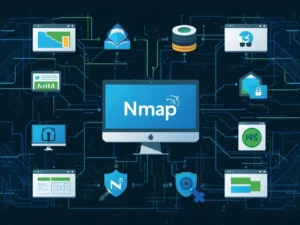
Nmap
A network scanning tool used to discover hosts and services.
Wireshark
A network analyzer used to monitor and inspect traffic.
Metasploit
A powerful penetration testing framework used to identify vulnerabilities.
Skills Required to Become an Ethical Hacker
Ethical hackers need strong technical and analytical skills.
Important Skills
- networking fundamentals
- operating systems knowledge
- programming skills (Python, C, JavaScript)
- cybersecurity principles
- problem-solving abilities
Continuous learning is essential because cybersecurity threats constantly evolve.
Ethical Hacking Certifications
ethical hacking career cybersecurity
Popular Certifications
- Certified Ethical Hacker (CEH)
- Offensive Security Certified Professional (OSCP)
- CompTIA Security+
- Certified Information Systems Security Professional (CISSP)
These certifications demonstrate expertise in ethical hacking and security testing.
Ethical Hacking Career Opportunities

The demand for cybersecurity professionals is rapidly increasing worldwide.
Career Roles
- penetration tester
- security analyst
- cybersecurity consultant
- vulnerability assessor
- security engineer
Ethical hackers are hired by:
- technology companies
- financial institutions
- government agencies
- cybersecurity firms
📚 Continue Learning on cyberinfolab.com
Internal Resources
- Beginner’s Guide to Cybersecurity 2026.cyberinfolabA comprehensive introduction to the fundamentals of cybersecurity.
- How does cybersecurity actually work?cyberinfolabDiscover the core principles and practices that make cybersecurity effective.
- WordPress SEO Optimization Guide for Beginners (2026)cyberinfolabLearn how to optimize your WordPress site for better search engine visibility and user engagement.
- Best Hosting for WordPress Security (2026 Guide)cyberinfolabFind the best hosting options for securing your WordPress website.
- Cloudflare DDoS ProtectioncyberinfolabLearn how to protect your website from DDoS attacks using Cloudflare.
- Backing up your WordPress website in 2026cyberinfolabLearn how to create effective backups of your WordPress site.
Is Ethical Hacking Legal?
Ethical hacking is entirely lawful when conducted with appropriate authorization.
Organizations grant ethical hackers written authorization to assess systems.
Unauthorized hacking, regardless of purpose, remains criminal in numerous jurisdictions.
Consequently, ethical hackers are required to keep to stringent legal and professional standards.
🌐 Official Cybersecurity Authorities
Worldwide & Government Resources
- EC-CouncilCEH officialOfficial home of Certified Ethical Hacker (CEH), accredited by ANSI and recognized globally by defense and intelligence agencies.
- CISAU.S. governmentCybersecurity & Infrastructure Security Agency: real-time alerts, best practices, and vulnerability disclosures.
- MITRE ATT&CKknowledge baseGlobally accessible knowledge base of adversary tactics and techniques based on real-world observations.
- OWASP Foundationopen standardOpen Web Application Security Project: tools, guides, and the OWASP Top 10 for web application security.
- NIST CybersecurityU.S. standardsNational Institute of Standards and Technology: frameworks (NIST CSF), guidelines, and publications.
- ENISAEuropean UnionEU Agency for Cybersecurity — threat landscapes, advisories, and member state reports.
- FIRSTCSIRTForum of Incident Response and Security Teams — global cooperation and incident response best practices.
- UNODC CybercrimeUnited NationsUnited Nations Office on Drugs and Crime: international cybercrime treaties and legal frameworks.
- SANS InstitutetrainingWorld-renowned cybersecurity training, certifications (GIAC), and research.
- (ISC)² Code of EthicsprofessionalInternational Information System Security Certification Consortium — ethical guidelines for security professionals.
- CVE DatabasevulnerabilitiesCommon Vulnerabilities and Exposures (MITRE) — publicly disclosed cybersecurity vulnerabilities.
- IEEE Computer SocietyresearchLeading organization for computer science and cybersecurity research, publications, and standards.
🔐 ethical hacking · single column FAQs
2. Scanning & enumeration
3. Gaining access
4. Maintaining access
5. Covering tracks (simulated)
6. Deep analysis
7. Reporting + remediation
✅ Finds hidden vulnerabilities
✅ Meets compliance (GDPR, HIPAA)
✅ Builds customer trust
✅ Saves millions in potential damage
🔹 OWASP (owasp.org) – web app security
🔹 NIST (nist.gov/cyber)
🔹 ENISA (enisa.europa.eu)
🔹 Cybersecurity & Infrastructure
🔸 Internal/external network tests
🔸 Social engineering (phishing, vishing)
🔸 Wireless & bluetooth hacking
🔸 Mobile app (Android/iOS)
🔸 Cloud (AWS, Azure, GCP)
🥇 OSCP (Offensive Security)
🥇 CompTIA Security+
🥇 CISSP
🥇 GPEN (GIAC)
Black hat: malicious, illegal.
Grey hat: may find vulns without permission but doesn’t exploit — still legally risky.
2. Install Linux (Ubuntu then Kali).
3. Practice on TryHackMe free rooms.
4. Study for Security+.
5. Build a home lab.
Penetration test: actively exploits to prove business impact.
Final Thoughts
Ethical hacking is essential for safeguarding digital systems against cyber attacks.
By detecting vulnerabilities prior to their use by malicious actors, ethical hackers assist enterprises in fortifying security, safeguarding sensitive data, and averting cybercrime.
As technology advances, the demand for proficient ethical hackers will increase, establishing it as one of the most promising professions in cybersecurity.
Acquiring knowledge in ethical hacking enhances security awareness and enables individuals to foster a more secure digital environment.
3 thoughts on “What is Ethical Hacking? Complete Beginner to Advanced Guide (2026)”