

Introduction
Q. Is Cybersecurity a Good Career?
Yes, cybersecurity is an excellent career choice in 2026, offering high demand, strong job security, and competitive salaries. With a projected job growth of 33% over the next decade, this field is ideal for those who enjoy continuous learning, problem-solving, and protecting against evolving digital threats.
In the contemporary digital landscape, data is the new currency and safeguarding it has emerged as a paramount concern for enterprises, governments, and individuals alike. This is the domain of cybersecurity. However, the paramount inquiry is: Is cybersecurity a viable career option?
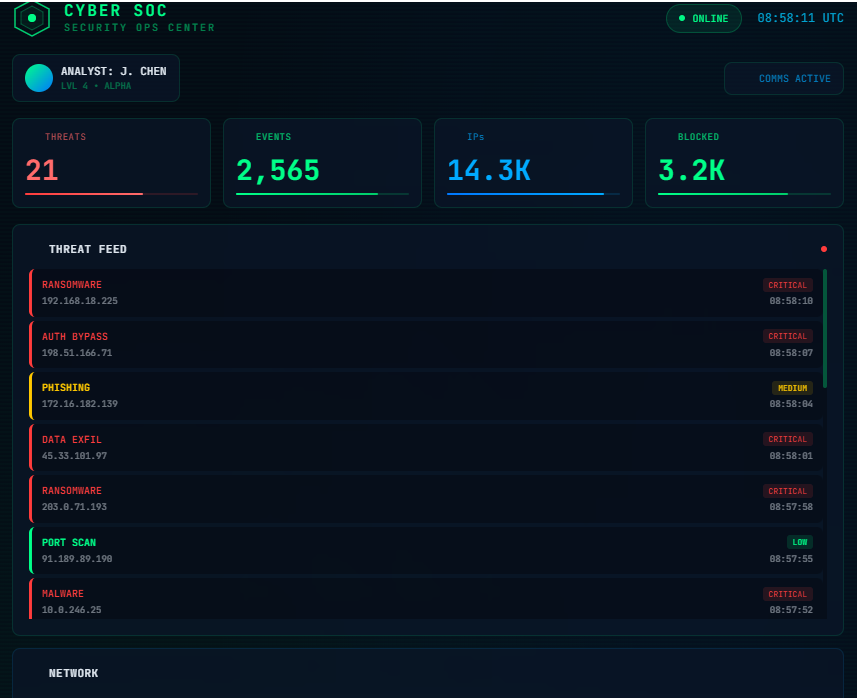
Cybersecurity Career Roadmap 2026
Why Cybersecurity Is a Great Career Choice
1. High Demand Worldwide
There is a significant demand for cybersecurity professionals. Due to escalating cyber dangers such as hacking, phishing, ransomware, and data breaches, organizations urgently require specialists to safeguard their systems.
- Millions of unfilled cybersecurity jobs globally
- Demand continues to grow every year
- Opportunities available in almost every country
👉 This makes cybersecurity a future-proof career.
2. Attractive Salary Packages
Cybersecurity is one of the highest-paying fields in IT.
- Entry-level: $50,000 – $80,000 per year
- Mid-level: $80,000 – $120,000
- Advanced roles: $120,000+
Even in developing countries, salaries are significantly higher than average IT jobs.
3. Job Security
Unlike many industries, cybersecurity is not easily affected by economic downturns. As long as digital systems exist, security will always be necessary.
👉 This makes it a stable and secure career path.
4. Multiple Career Paths
Cybersecurity is not just one job—it’s a whole field with many roles:
- Ethical Hacker (Penetration Tester)
- Security Analyst
- Network Security Engineer
- Cybersecurity Consultant
- Digital Forensics Expert
- Security Architect
👉 You can choose a path based on your interests.
5. No Strict Degree Requirement
You don’t always need a formal degree to enter cybersecurity.
Many professionals start with:
- Online courses
- Certifications
- Self-learning
Popular certifications include:
- CompTIA Security+
- CEH (Certified Ethical Hacker)
- CISSP
👉 This makes it accessible even for beginners.
Challenges of a Cybersecurity Career
A profession in cybersecurity is in high demand but entails considerable hurdles, such as strong pressure, burnout from constant on-call duties, and the necessity for ongoing, rigorous education to stay abreast of emerging threats. Professionals encounter high-stress conditions, significant skill deficiencies, and the psychological burden of imposter syndrome.

To be realistic, cybersecurity also comes with challenges:
1. Continuous Learning (Lifelong Learning)
Cybersecurity is not a discipline that allows for a one-time acquisition of knowledge. Technology advances swiftly, and attackers are continuously devising new strategies.
- Rapidly Evolving Threats: Professionals must remain ahead of developing trends, such as AI-fueled attacks, quantum computing, and new ransomware strategies.
- Continuous Upskilling: It necessitates regular learning beyond work hours, encompassing the acquisition of new certificates, participation in conferences, and investigation of emerging vulnerabilities.
- Breadth of Information: The scope of information is extensive, encompassing areas such as cloud security and ethical hacking, which complicates the determination of focal points.
2. High Responsibility
Cybersecurity specialists serve as the protectors of an organization’s digital assets, entrusted with safeguarding sensitive information.
- Significant Impact of Failure: An missed alarm or misconfigured system can lead to substantial financial losses, operational disruptions, and significant reputational harm.
- High-Stakes Decision Making: Security professionals frequently make crucial, time-sensitive decisions (within minutes) during an attack or breach.
- Understaffing & Overwork: Numerous firms possess limited security teams, resulting in personnel frequently assuming multiple responsibilities and being anticipated to be accessible around the clock.
3. Pressure and Stress
The interaction of significant responsibility, continuous attention, and the “cat and mouse” dynamic with attackers results in high-stress occupational settings.
- Burnout & Alert Fatigue: Security Operations Center (SOC) analysts frequently experience “alert fatigue,” resulting from an inundation of thousands of security warnings that induces cognitive overload.
- Blurred Work-Life Balance: The necessity for continuous monitoring necessitates that incident responders frequently work nights, weekends, and remain on-call, leading to burnout and disturbances in sleep patterns.
- Imposter Syndrome: The expansive and rapidly expanding nature of the industry may lead even seasoned specialists to perceive a lack of progress, resulting in worry.
Managing the Challenges
While challenging, these factors can be managed by:
- Fostering a Learning Culture: Investing in training, rather than expecting all learning to happen on personal time.
- Implementing Automation: Using tools to handle routine tasks reduces alert fatigue.
- Prioritizing Mental Well-being: Organizations are increasingly offering support for mental health, recognizing that “hero culture” leads to burnout.
Skills Required for Cybersecurity
Essential cybersecurity skills include a mix of technical expertise—such as networking (TCP/IP, firewalls), programming (Python, SQL), cloud security, and system administration (Linux/Windows)—and critical soft skills like problem-solving, communication, and risk management. Proficiency in tools like SIEM (e.g., Splunk) and understanding frameworks like the CIA triad are vital for protecting digital infrastructure.
To succeed, you need a mix of technical and soft skills:
Key Technical Skills
- Networking Knowledge: Understanding TCP/IP, OSI model, routers, switches, and firewalls is foundational.
- Programming & Scripting: Proficiency in Python, PowerShell, or Bash for automation, and understanding languages like SQL or HTML for spotting vulnerabilities.
- Cloud Security: Knowledge of security for cloud infrastructures (AWS, Azure, Google Cloud).
- System Administration: Proficiency in Linux and Windows operating systems, including command-line interfaces.
- Security Tools: Experience with SIEM (Security Information and Event Management) tools, EDR (Endpoint Detection and Response), and penetration testing tools.
- Cryptography & Forensic: Familiarity with encryption methods and digital forensics.
Critical Soft Skills
- Analytical Problem-Solving: The capacity to assess dangers, identify root causes, and systematically resolve intricate problems.
- Communication: Articulating technological hazards to non-technical stakeholders with clarity.
- Ethical Mindset: A robust dedication to security, compliance, and ethical decision-making.
- Adaptability: Staying abreast of swiftly evolving technologies and nascent risks.
Core Foundational Concepts
Compliance: Experience with security regulations and frameworks.
Risk Management: Understanding threat modeling, risk assessment approaches, and vulnerability management.
How to Start a Career in Cybersecurity
Beginning a career in cybersecurity necessitates establishing a robust foundation in IT networking and operating systems (Linux/Windows), obtaining certifications such as CompTIA Security+, and acquiring practical, hands-on experience through home labs (TryHackMe, GitHub projects). Key entry-level roles include SOC Analyst, Junior Penetration Tester, and IT Help Desk.
If you’re a beginner, follow this roadmap:
Step 1: Learn Basics
Start with:
- Computer networks
- Operating systems
- Basic programming
Step 2: Take Online Courses
Platforms like:
- Coursera
- Udemy
- TryHackMe
- Hack The Box
Step 3: Get Certifications
Get industry-recognized certifications for free or low cost via platforms like Coursera, edX, Udemy, and vendor-specific training (e.g., Google, Microsoft, AWS, Cisco, Fortinet). Focus on in-demand IT and tech fields like cybersecurity, data analytics, and cloud computing. Key platforms like LinkedIn allow you to showcase these skills to employers.
Top Certification Sources and Strategies
- Free Training/Certifications:
- Fortinet: Offers free training and certifications in cyber security basics and networking, such as FCF/FCP in Security Operations.
- Cisco & Professor Messer: Free training materials for networking and IT certifications.
- Trailhead: Salesforce training with free super badges.
- CertiProf: Offers entry-level certifications in digital marketing and professional skills.
- Low Cost/Trial Certifications:
- Coursera/edX: Offers 7-day free trials that can be used to complete courses quickly.
- Google Career Certificates: Flexible, low-cost online training for jobs in high-paying fields.
- Microsoft: Microsoft Virtual Training Days offer discounts for certifications.
- Popular Certifications:
- IT & Tech: CompTIA Security+, CompTIA A+.
- Cloud & Data: AWS Certified Solutions Architect, Google Data Analytics.
- Project Management: Project Management Professional (PMP).
- Tips for Success:
- Finish the Courses: 85-90% of users don’t finish free courses, so completing them places you in the top 10%.
- Build a Portfolio: Use the certifications to build real-world projects and document them on LinkedIn.
To optimize the value of these qualifications, integrate them with practical experience, including project development and participation in professional communities.
Step 4: Practice Hands-On
- Build labs
- Practice ethical hacking
- Participate in CTF (Capture The Flag) challenges
Step 5: Apply for Jobs or Internships
Start with junior roles or internships to gain experience.
Also read
- Cybersecurity Career Roadmap 2026: Beginner to Advanced Guide
- Bug Bounty Guide 2026 – How to Start, Earn & Become a Successful Bug Bounty Hunter
- Cybersecurity Career Roadmap 2026: Beginner to Advanced Guide
- 100+ Nmap Commands Cheat Sheet: Complete Guide for Beginners and Advanced Users
Future of Cybersecurity

The future of cybersecurity is characterized by AI-driven automation, zero-trust architectures, and problems posed by quantum computing, resulting in a 31% increase in job demand over the next decade. As threats evolve in complexity, defensive systems are transitioning to proactive AI analytics, behavioral biometrics, and advanced automated threat detection to safeguard intricate, interconnected settings.
The future of cybersecurity is extremely bright:
- AI-powered cyber attacks are increasing
- Cloud security demand is rising
- Remote work increases vulnerabilities
👉 This means cybersecurity jobs will continue to grow for decades.
Is Cybersecurity Right for You?
Cybersecurity is a great fit if you:
✔ Enjoy solving problems
✔ Are curious about technology
✔ Like ethical hacking or investigations
✔ Are willing to learn continuously
It may not be ideal if you:
✖ Dislike technical work
✖ Prefer routine tasks
✖ Avoid learning new things regularly
🔐 Cybersecurity Career 2026
✅ Absolutely — demand is surging globally. Cyber threats like ransomware, phishing, and data breaches affect every sector. Organizations urgently need specialists to protect digital assets.
- 🌍 Millions of unfilled cybersecurity jobs worldwide (estimated 3.5 million+ vacancies).
- 📈 Demand continues to grow year-over-year, with a projected 33% growth over the next decade.
- 🏢 Opportunities exist in almost every country — from finance to government to startups.
👉 This makes cybersecurity a truly future-proof career with global mobility.
Cybersecurity is one of the highest-paying IT fields. Typical ranges (USD):
- 🎓 Entry-level: $50,000 – $80,000 per year
- 🚀 Mid-level (Analyst, Engineer): $80,000 – $120,000
- 🏆 Advanced roles (Architect, Manager, Consultant): $120,000 – $200,000+
Even in developing countries, salaries significantly exceed average IT wages. Specialized roles like Ethical Hacker or Cloud Security Architect command premium packages.
✔️ Exceptional job security. Unlike many industries, cybersecurity is recession-resistant. As long as digital systems, cloud infrastructure, and online services exist, security professionals remain essential.
Economic downturns often increase cybercrime, making security teams even more critical. The field provides a stable and sustainable career path with long-term relevance.
👉 “As long as data exists, cybersecurity will be needed” — the ultimate stability factor.
Cybersecurity is a broad field with diverse roles. You can choose based on your interests:
- 🕵️♂️ Ethical Hacker / Penetration Tester – simulate attacks to find vulnerabilities.
- 📊 Security Analyst – monitor networks, respond to incidents.
- 🌐 Network Security Engineer – design firewalls, VPNs, and secure architectures.
- 💼 Cybersecurity Consultant – advise organizations on security strategies.
- 🔍 Digital Forensics Expert – investigate breaches and collect evidence.
- 🏛️ Security Architect – build enterprise security frameworks.
Specialize in cloud, IoT, or AI security as the industry evolves.
No strict degree requirement! Many professionals enter via:
- 📚 Online courses (Coursera, Udemy, TryHackMe)
- 🎖️ Industry certifications: CompTIA Security+, CEH, CISSP, Google Cybersecurity Certificate
- ⚙️ Hands-on labs & self-learning (home labs, CTF challenges)
Certifications like Security+ and practical portfolios often outweigh formal degrees for entry-level roles. Start with free resources from Microsoft, Fortinet, or Cisco to build foundational credibility.
While rewarding, cybersecurity comes with realistic challenges:
- 🔄 Continuous learning: Threats evolve daily — you must always study new tools, malware trends, and cloud risks.
- ⚡ High responsibility & stress: Mistakes can lead to data breaches; incident response roles involve real-time pressure.
- 🔥 Burnout risk: On-call duties and alert fatigue require good self-care and team support.
- 🧠 Imposter syndrome: Common even among veterans, but community & mentorship help.
Proactive mindset and work-life boundaries are essential to thrive long-term.
Technical skills:
- 🌐 Networking: TCP/IP, firewalls, routers, Wireshark
- 💻 Programming/Scripting: Python, Bash, PowerShell, SQL
- ☁️ Cloud security: AWS/Azure/Google Cloud security services
- 🛡️ Security tools: SIEM (Splunk), EDR, penetration testing (Metasploit, Burp Suite)
- 🐧 System admin: Linux & Windows internals
Soft skills: Analytical problem-solving, clear communication (explaining risks to non-tech stakeholders), ethical mindset, adaptability.
Core frameworks: CIA triad, risk management, compliance (GDPR, HIPAA).
Step-by-step beginner roadmap:
- Learn IT basics: Networking, OS (Linux/Windows), basic programming.
- Take online courses: TryHackMe, Hack The Box, Coursera, Udemy.
- Get certifications: CompTIA Security+, Certified Ethical Hacker (CEH), or Google Cybersecurity Certificate. Many free options via Fortinet, Cisco, and Microsoft Virtual Training Days.
- Hands-on practice: Build home labs, participate in CTF (Capture The Flag) events, document GitHub projects.
- Apply for internships / junior roles: SOC Analyst, IT Help Desk, Junior Penetration Tester.
💡 Tip: Complete free courses — 85-90% of learners don’t finish, so finishing places you in top tier!
The future is dynamic with exponential growth drivers:
- 🤖 AI-powered threats & defense: Attackers use AI for sophisticated phishing, while defenders leverage AI-driven SIEM and zero-trust architectures.
- ☁️ Cloud & remote work expansion: Cloud security and SASE frameworks skyrocket in demand.
- 🧬 Quantum computing risks: Post-quantum cryptography will become essential.
- 📈 Job demand spike: Projected 31-35% increase in cybersecurity roles over next decade — far above average.
This creates a resilient, long-term career with cutting-edge innovation.
Great fit if you: ✔ enjoy solving puzzles & problems, ✔ are curious about how systems work, ✔ like ethical hacking/investigations, ✔ embrace continuous learning, ✔ stay calm under pressure.
Might be challenging if you: ✖ dislike technical complexity, ✖ prefer repetitive routine tasks, ✖ avoid learning new tech regularly.
Success demands commitment, hands-on practice, and curiosity. If you’re ready for an exciting, meaningful career with global impact — cybersecurity is a top-tier choice! 🔐
Conclusion
So, is cybersecurity a good career?
👉 Absolutely.
It offers:
- High salary
- Strong job demand
- Career growth
- Global opportunities
Success in this domain necessitates commitment, ongoing education, and robust problem-solving abilities. Should you be prepared to dedicate time and effort, cybersecurity may emerge as one of the most fulfilling job paths you select.
1 thought on “Is Cybersecurity a Good Career? (2026 Complete Guide)”