📌 Introduction
Free vs Paid Cybersecurity Courses 2026: Cybersecurity is one of the highest-paying and fastest-growing careers globally. Whether you are a beginner, student, or IT professional, there are hundreds of free and paid cybersecurity courses available worldwide.
FREE Courses
PAID Certifications
But the real question is:
👉 Which course should you choose? Free or Paid?
This ultimate pillar guide will cover:
✔ Free courses
✔ Paid certifications
✔ Online & offline programs
✔ Prices & providers
✔ How to get certificates
🎓 Best FREE Cybersecurity Courses (Worldwide)
These courses are globally accessible and beginner friendly.
The premier complimentary cybersecurity courses globally for 2026 encompass ISC2 Certified in Cybersecurity, Fortinet NSE Program, and Cisco Networking Academy, offering training from foundational to advanced levels, frequently accompanied by certificates. Additional premier resources comprise IBM through SkillsBuild, SANS Cyber Aces, and portals such as TryHackMe for practical laboratories.
Also read:
- CEH vs CompTIA Security+
- Best Cybersecurity Certifications 2026
- Is Cybersecurity a Good Career?
- Cybersecurity Career Roadmap 2026
Top Free Cybersecurity Courses & Platforms
- Best for Beginners/Entry Level:
- ISC2 Certified in Cybersecurity: Complimentary training and examination voucher, optimal for establishing fundamental knowledge.
- Google Cybersecurity Certificate (Audit Access): Fundamental competencies in networking, Python, and Linux.
- Cisco Networking Academy: Provides “Networking Fundamentals” and “Cybersecurity Fundamentals” for novices.
- SANS Cyber Aces: Self-directed, fundamental, captivating, and encompasses critical technology and security principles.
- Best for Advanced/Technical Skills:
- Fortinet NSE Training: Comprehensive complimentary self-directed training covering FortiGate firewalls and cloud security.
- CISA Cybersecurity Training: Complimentary on-demand training available from novice to expert levels, encompassing incident response.
- Splunk Training: Offers free courses on data analysis and threat detection.
- Best Hands-on/Practical Training:
- TryHackMe: A gamified platform featuring laboratories, ideal for interactive education.
- Security Blue Team: Offers training focused on defensive security methodologies.
- IBM SkillsBuild: Practical training on artificial intelligence and foundational security, typically concluded in less than 10 hours.
- Other Notable Mentions:
- Future Learn Introduction to Cybersecurity: Concentrates on threat identification, risk reduction, and security measures.
- Forage: Free virtual experience programs.
Key Tips for Free Training
- Certifications: Always verify whether the program provides a complimentary certificate upon completion (e.g., ISC2) or merely free training resources.
- Audit Access: Platforms such as EdX permit free auditing of courses, granting access to all materials without the issuance of a certificate.
- Self-Paced vs Instructor-led: Several free courses are self-directed, offering flexibility; nevertheless, instructor-led alternatives are available for enhanced structure, exemplified by the Fortinet program.
🔹 1. Google Cybersecurity Professional Certificate
- Platform: Coursera
- Level: Beginner
- Duration: 3–6 months
- Cost: Free trial / ~$49/month
- Certificate: Yes
👉 No experience required and highly recommended for beginners
What You Learn:
- Threat detection
- Network security
- Linux, Python, SQL
- Incident response
🔹 2. IBM Cybersecurity Analyst Certificate
- Platform: Coursera
- Level: Beginner
- Duration: 3–6 months
- Cost: Free trial available
Skills:
- Threat intelligence
- SIEM tools
- Incident handling
👉 One of the most popular beginner programs
🔹 3. Cisco Introduction to Cybersecurity
- Platform: Cisco Networking Academy
- Cost: FREE
- Certificate: Yes
👉 Best for absolute beginners
🔹 4. Cybrary Free Courses
- Platform: Cybrary
- Cost: Free (basic access)
👉 Offers 500+ cybersecurity courses for all levels
🔹 5. SANS Cyber Aces (Free)
- Level: Beginner to Intermediate
- Topics:
- Networking
- Operating systems
- Security basics
🔹 6. TryHackMe (Free + Paid Labs)
- Best for hands-on learning
- Free beginner paths available
📚 Best PAID Cybersecurity Courses & Certifications
These are globally recognized certifications that boost your career.
The highest paid cybersecurity certificates in 2026 comprise CISSP for leadership roles, CompTIA Security+ for entry-level positions, and OSCP for penetration testing, providing substantial ROI and pay prospects. Notable paid courses comprise the Google Cybersecurity Certificate on Coursera and practical training from OffSec, emphasizing hands-on competencies such as network security, Python programming, and ethical hacking.
🔥 1. CompTIA Security+
- Level: Beginner
- Exam Cost: ~$392
- Duration: 2–4 months
Benefits:
- Industry-standard certification
- Required for many IT jobs
🔥 2. Certified Ethical Hacker (CEH)
- Provider: EC-Council
- Cost: ~$1,199 (exam only)
- Level: Intermediate
Skills:
- Penetration testing
- Ethical hacking
- Vulnerability analysis
🔥 3. CISSP (Certified Information Systems Security Professional)
- Cost: ~$749
- Level: Advanced
- Experience Required: 5 years
👉 One of the highest-paying certifications
🔥 4. Certified Cloud Security Professional (CCSP)
- Focus: Cloud security
- Cost: ~$599
🔥 5. Udemy Cybersecurity Courses
- Cost: $10 – $100
- Lifetime access
👉 Budget-friendly paid courses
🔥 6. Offensive Security (OSCP)
- Cost: $1,000+
- Level: Advanced
👉 Highly respected ethical hacking certification
🌐 Online vs Offline Cybersecurity Courses
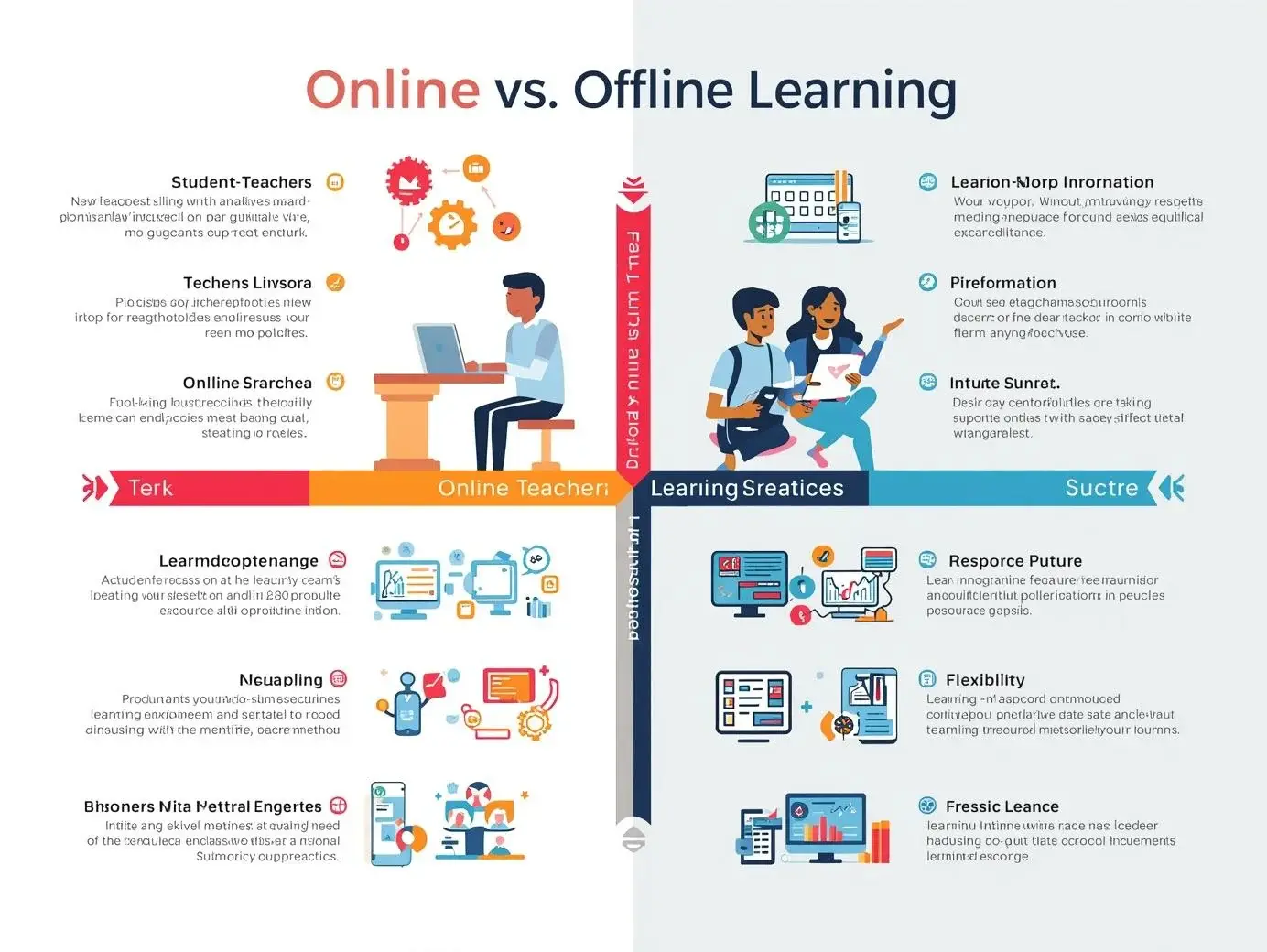
💻 Online Courses
Advantages:
- Flexible learning
- Affordable
- Global access
Popular Platforms:
- Coursera
- Udemy
- edX
- Cybrary
🏫 Offline Courses (Institutes)
Examples:
- EC-Council Training Centers
- NIIT / Aptech
- University Degrees
Cost:
- $1,000 – $10,000
Benefits:
- Classroom learning
- Direct mentorship
- Networking opportunities
📝 How to Get Cybersecurity Certificate (Step-by-Step)
Acquiring a cybersecurity certification requires evaluating your proficiency, selecting the appropriate credential (e.g., CompTIA Security+ or ISC2 CC), and engaging in study through courses or practical labs. Essential steps encompass exam preparation for 1–3 months, scheduling the test, successfully completing it, and sustaining certification, with total expenses varying from complimentary entry-level alternatives to higher amounts.

🔷 For FREE Courses:
- Register on platform (Coursera, Cisco, etc.)
- Complete all modules
- Pass quizzes/assignments
- Download certificate
👉 Some platforms require payment for certificate
🔷 For PAID Certifications:
- Choose certification (Security+, CEH, etc.)
- Study (online/offline training)
- Register for exam
- Pass exam
- Get globally recognized certificate
👨🎓 Who Can Apply?
Beginners:
- Students (Class 10+)
- No coding required
Intermediate:
- IT students
- Network engineers
Professionals:
- System admins
- Developers
- Security analysts
👉 Many programs (like Google certificate) require no prior experience
💰 Cost Breakdown (2026)

| Course Type | Price Range |
| Free Courses | $0 |
| Budget Courses | $10 – $100 |
| Professional Certificates | $300 – $1500 |
| Advanced Certifications | $1000 – $5000 |
👉 Example: Google Cybersecurity certificate can cost under $300 total
👍 Benefits of Cybersecurity Courses
- High salary career
- Global job opportunities
- Remote work options
- Job security
- Growing demand
👎 Disadvantages
- Competitive field
- Some certifications are expensive
- Requires continuous learning
- Hands-on practice needed
🚀 Best Learning Path (Recommended)
Superior educational orientations for 2026 emphasize in-demand, industry-relevant competencies via professional certifications, offering a direct substitute for conventional schooling. Essential domains encompass AI engineering, data science, cybersecurity (SOC Level 1/Penetration Testing), and software development, employing specialized platforms such as TryHackMe, LinkedIn Learning, and Microsoft Learn.
🔰 Beginner Path:
- Free course (Google / Cisco)
- TryHackMe labs
- Basic networking
🧑💻 Intermediate Path:
- CompTIA Security+
- Hands-on labs
- Linux + Python
🧠 Advanced Path:
- CEH / OSCP
- Real-world projects
- Specialization (Cloud, Pentesting)
🔐 Free vs Paid Cybersecurity Courses (2026)
Complete FAQ — answers to most searched questions about cost, certification, best programs for beginners & professionals, online vs offline, and career roadmap.
🔚 Conclusion
Choosing between free and paid cybersecurity courses ultimately depends on your goals, budget, and career stage. If you’re just starting out, free courses are an excellent way to build foundational knowledge, explore the field, and develop basic skills without financial risk. Platforms like Cisco, ISC2, and Google offer beginner-friendly learning paths that can kickstart your journey.
However, if your goal is to land a job, switch careers, or advance professionally, paid certifications such as CompTIA Security+, CEH, or CISSP provide a significant advantage. These programs offer structured learning, hands-on labs, and globally recognized credentials that employers trust.
👉 The smartest approach in 2026 is a hybrid learning strategy:
- Start with free courses to build your foundation
- Move to hands-on platforms like TryHackMe
- Invest in paid certifications when you’re ready for career growth
Cybersecurity is not just a course—it’s a long-term career path that requires continuous learning and practical experience. Whether you choose free or paid options, consistency and real-world practice will define your success.
🚀 Final Tip: Don’t wait for the “perfect course.” Start learning today, build your skills step by step, and upgrade as you grow. The cybersecurity industry is full of opportunities—your journey begins now.