
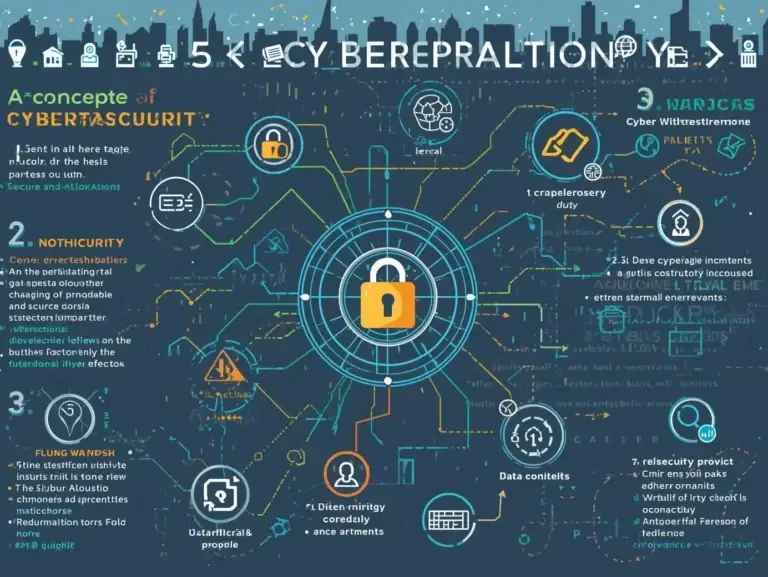
How does cybersecurity actually work: Cybersecurity is protects hardware, software, and data that are connected to the internet from digital attacks by using a combination of technology, processes, and people. It works on three main pillars: stopping people from getting in without permission, finding threats in real time, and dealing with problems. Encryption, firewalls, and security policies are some of the most important tools for keeping data private and safe.
In the contemporary digital landscape, nearly all activities occur online—banking, education, shopping, employment, and social interaction. The internet facilitates convenience but also introduces risks. This is when cybersecurity assumes significance.
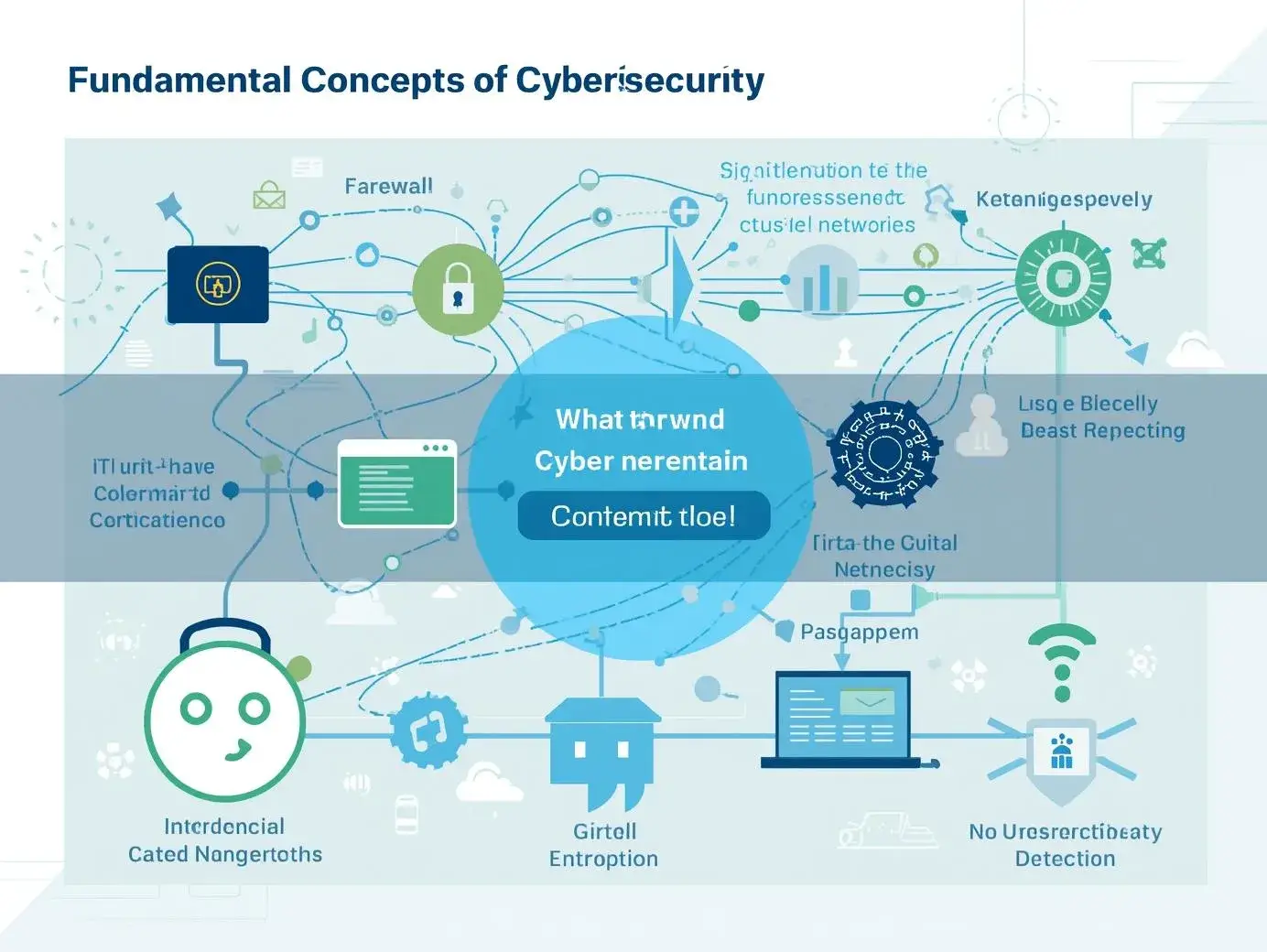
This essay elucidates the concept of cybersecurity, its operational mechanisms, and the reasons beginners should be concerned, using straightforward language.
If you want Beginner’s Guide to Cybersecurity: Beginner’s Guide to Cybersecurity 2026: Safeguarding Your Digital World
How Cybersecurity Works:
-Technology Protection: Uses antivirus software, firewalls to stop network traffic, and encryption to keep people who shouldn’t be able to see data from being able to read it.
-Process and Policy: This means setting rules for who can see data, making sure the system is always up to date, and backing up data so that it can be restored.
– People and Awareness: Teaching people how to spot phishing scams, use strong, unique passwords, and set up multi-factor authentication (MFA).
How does cybersecurity actually work(2026)?
What Kinds of Cybersecurity Are There?
There are a number of crucial areas in cybersecurity that contribute to the security of IT infrastructure. These consist of network, mobile, data, cloud, and application security. Let’s quickly examine each to learn about their contributions to online business security. A source content
1. Security of Applications
The practices, protocols, and tactics used to defend web and mobile applications against security threats and vulnerabilities are collectively referred to as application security. Malicious actions like illegal access, data breaches, injection attacks (like SQL injection), denial of service (DoS) attacks, and more can be included in these threats.
2. Security of the Cloud
The term “cloud security” describes a collection of guidelines, tools, procedures, and controls intended to safeguard information, programs, and infrastructure that are processed and stored in cloud computing environments. Protecting cloud-based assets against various threats, such as unauthorized access, data breaches, data loss, and service interruptions, is the main goal of this specialized area of cybersecurity.
3. Security of Data
Protecting digital information at every stage of its lifecycle to avoid theft, corruption, or unauthorized access is known as data security. Hardware, software, storage devices, user devices, access controls, administrative procedures, and organizational policies and protocols are all included in this all-inclusive approach.
4. Security on the Go
Mobile security is the term used to describe a collection of procedures, programs, and technological advancements intended to defend mobile devices (like laptops, tablets, and smartphones) and the data stored or transferred on them against a range of security risks, such as ransomware, phishing, spam, theft, and misuse.
5. Security of Networks
The term “network security” describes the procedures, safeguards, and tools used to keep computer networks and the data they carry safe from intrusions and illegal access. In order to identify and lessen cyberthreats, network security entails putting in place measures like firewalls, intrusion detection systems, encryption, access controls, and routine monitoring.
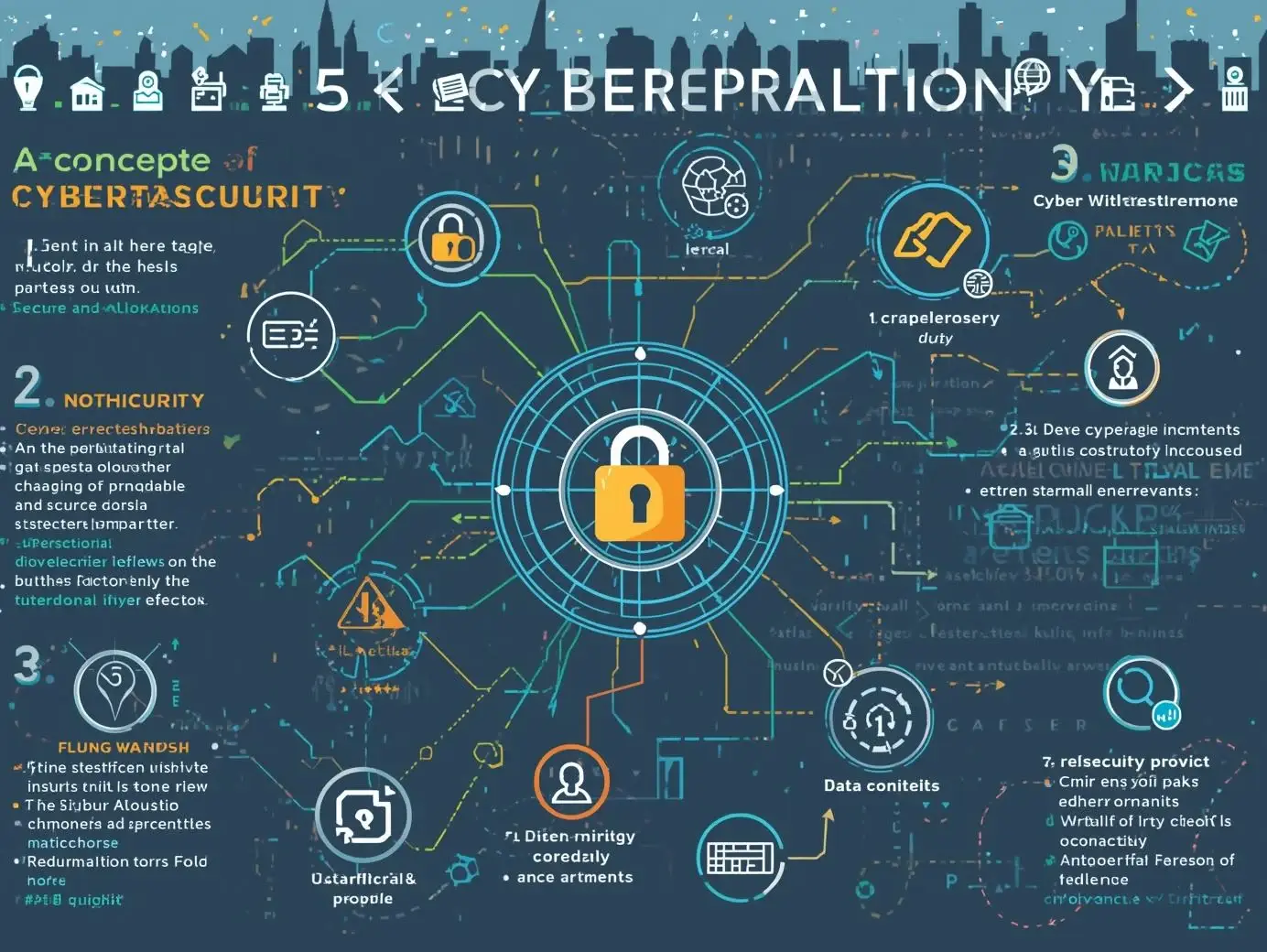
What Is Cybersecurity?
Cybersecurity is the practice of protecting computers, smartphones, networks, and data from online attacks.
Think of cybersecurity like:
- A lock for your phone 📱
- A security guard for websites 🛡️
- A safe for your personal information 🔐
Its main goal is to keep your information safe from hackers, viruses, and scams.
Why Is Cybersecurity Important?
Cybersecurity is important because hackers can:
- Steal passwords and bank details
- Hack social media accounts
- Spy on personal data
- Destroy websites and systems
Without cybersecurity, anyone online can become an easy target.
Common Cyber Threats Beginners Should Know
1. Malware (Viruses)
Malware is harmful software that can:
- Damage your device
- Steal your data
- Slow down your system
Examples: viruses, spyware, ransomware.
2. Phishing Attacks
Phishing is when hackers send fake emails or messages pretending to be real companies.
Example:
“Your account is blocked. Click here to verify.”
If you click the link, hackers may steal your login details.
3. Password Attacks
Hackers try to guess or steal weak passwords like:
- 123456
- password
- your name or date of birth
How Does Cybersecurity Work?
Cybersecurity works by using tools, technologies, and smart habits.
1. Strong Passwords
- Use long and unique passwords
- Mix letters, numbers, and symbols
- Never reuse the same password
2. Two-Factor Authentication (2FA)
This adds extra security:
- Password + OTP code
- Password + fingerprint
Even if hackers know your password, they can’t log in.
3. Antivirus Software
Antivirus programs:
- Detect viruses
- Remove malware
- Protect your device in real time
4. Firewalls
A firewall acts like a security gate:
- Allows safe internet traffic
- Blocks suspicious activity
5. Data Encryption
Encryption changes your data into unreadable code.
Even if hackers steal it, they can’t understand it.
6. Regular Updates
Software updates fix security weaknesses.
Old software = easy hacking.
Cybersecurity in Daily Life
You use cybersecurity every day without noticing:
- Locking your phone
- Using OTP for payments
- Seeing “https” in websites
- Getting scam warnings in emails
Simple Cybersecurity Tips for Beginners
- Never click unknown links
- Don’t share passwords with anyone
- Use antivirus software
- Enable two-factor authentication
- Avoid public Wi-Fi for banking
- Always log out from shared devices
Is Cybersecurity a Good Career?
Yes! Cybersecurity is one of the fastest-growing careers worldwide.
Beginner roles include:
- Cybersecurity Analyst
- SOC Analyst
- IT Security Support
You don’t need to be a hacker to start—basic knowledge is enough at first.
Final Thoughts
Cybersecurity is not just for experts or big companies.
It is for everyone who uses the internet.
By learning basic cybersecurity concepts, you can:
- Protect your data
- Avoid scams
- Stay safe online
- Build a future-proof career
4 thoughts on “How does cybersecurity actually work?”